God of War / GREEK AND NORSE STORY ERAS
Why Was Kratos Still Haunted After Serving the Gods?
A story analysis of Kratos’s guilt: why service and victory did not erase his past, and how the Greek and Norse stories frame the problem differently.
Why is a god-killer still vulnerable?
Kratos’s power can defeat an enemy, but it cannot undo the loss of his family or erase his responsibility for the past. His bargain with Ares, grief and pursuit of revenge form the central contradiction: success in combat does not guarantee the relief he seeks. Santa Monica’s own account describes the later story as an effort to break a cycle of violence and distrust. [1–3]
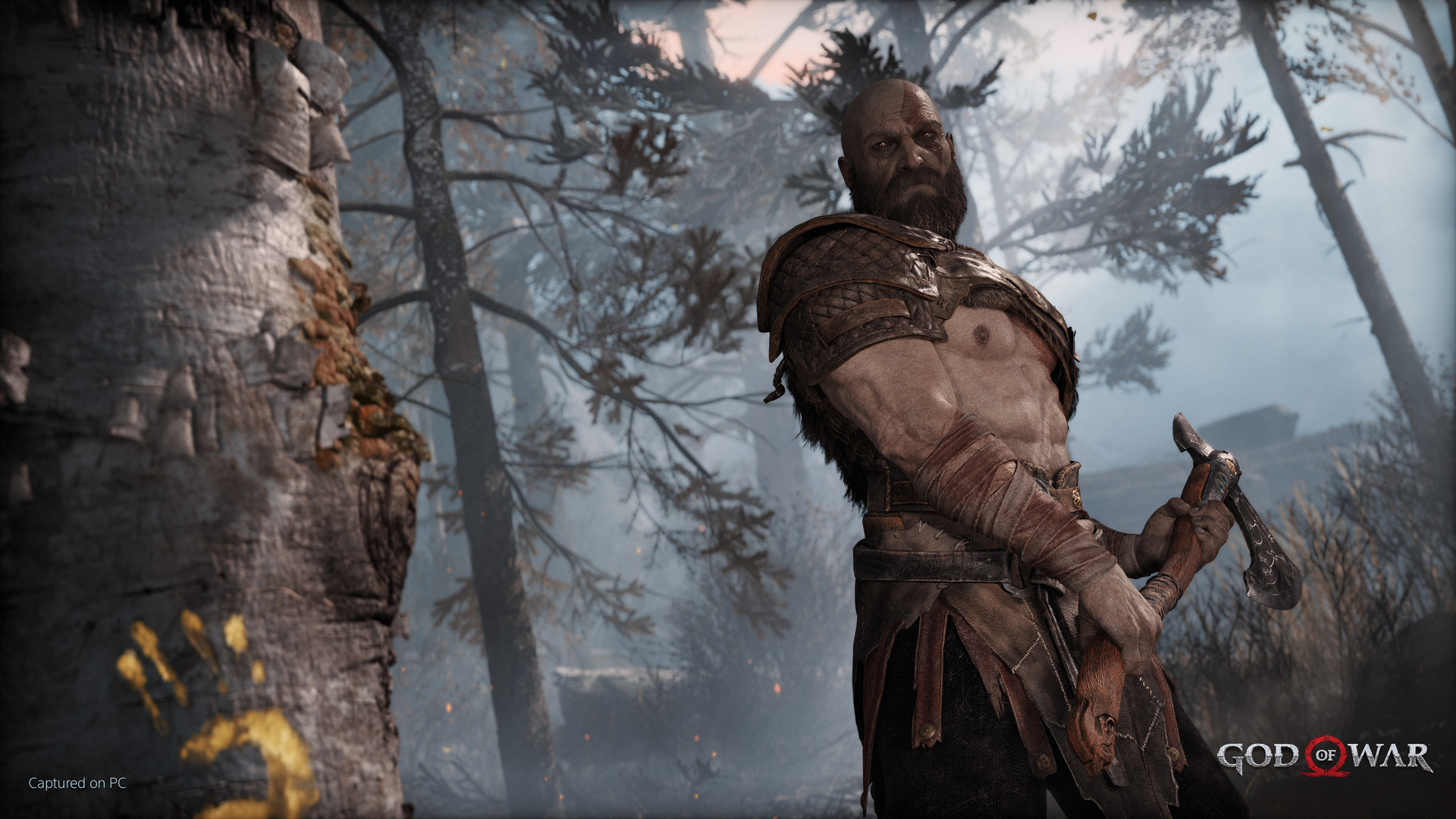
The question behind the opening
The original God of War introduces a protagonist in despair before explaining the history that brought him there. That framing asks the player to understand something beyond how strong he is. The question is why victory might fail to provide the ending he expected.
Our reading: The contrast works because action games normally make progress visible. An enemy falls, a route opens, a new ability arrives. Guilt does not operate like an enemy health bar. Treating it as another opponent to overpower is part of the character’s problem, rather than the story’s solution.
Keep the different stories separate
| Story context | What to examine |
|---|---|
| The bargain with Ares | Power, manipulation and the loss that shapes Kratos |
| The Greek-era aftermath | Why vengeance does not settle the past |
| The Norse-era relationship with Atreus | Whether Kratos can choose a different way to live |
These are connected themes, not interchangeable scenes. The original game’s despair, God of War III’s ending and later prophecy plots should not be edited into a single explanation of one moment.
Why grief is not weakness in this story
A character can possess extraordinary physical strength while remaining unable to repair what matters most to him. That does not make the grief a contradiction to be solved by a power ranking. It exposes the limits of the ranking itself.
The official Ghost of Sparta context still describes nightmares and a troubled family past after Kratos has become a god. The distinction between status and peace is therefore part of the series’ own framing. [3] We do not need to diagnose the character or turn his despair into an admirable act to discuss that narrative tension.
What changes when he becomes responsible for someone else?
In the later story, the question expands from what Kratos can destroy to what behavior he will pass on. Responsibility introduces choices that cannot be reduced to winning a fight. Restraint, explanation and trust become relevant to a character whose earlier identity was built around force.
That is an interpretation of the arc, not a claim that the games erase his past. A more interesting reading is that change remains difficult precisely because the past stays present. The story gains weight when a new choice does not magically cancel an old consequence.
The point beyond the power fantasy
Kratos is compelling because the abilities that make him spectacular do not answer every problem the narrative gives him. His later possibility of change is more meaningful than another comparison of who can kill whom. The series asks what a powerful person does with responsibility once power alone has failed to provide peace.